Can You Safely Tow an Electric Vehicle Yourself?

Table of Contents
Last Updated: November 1, 2026
Why Towing an Electric Vehicle Differs From Towing a Gas Car
Towing an electric vehicle is not the same as towing a gas car, and a tow electric vehicle job calls for different methods.
That is the core problem. Owners often assume that if a gas car can be towed with a rope or a tow bar, an EV can too.
Here is what makes EVs different:
Motor connection: The motor may stay linked to the wheels even when the car is in neutral.
Battery systems: High-voltage batteries need special handling after a crash or fluid leak.
Electronic controls: Some EVs lock the drive system or need a specific "tow mode" before moving.
Because of these differences, the safest first step is always to check the owner's manual before you attempt any tow.
Can You Tow an Electric Car With Wheels on the Ground?
In most cases, no. Towing an EV with its drive wheels on the ground is the method most likely to cause motor or drivetrain damage. Some models may allow a limited tow with the front or rear wheels raised, but only when the manufacturer approves it.
A common mistake is assuming that a "short distance" tow is harmless. Even a few miles at highway speed can generate enough motor rotation to cause trouble.
The general rules are simple:
Never assume that a wheel-lift or two-wheels-on-ground tow is allowed.
Confirm the exact method in the owner's manual for your model and year.
Avoid rope towing unless the manufacturer specifically allows it.
Electric Vehicle Flatbed Towing: When It Is the Safest Choice
For most EVs, a flatbed tow truck is the safest option when you need to tow electric vehicle safely. A flatbed lifts the entire vehicle off the road, so none of the drive wheels turn.

!A flatbed tow truck with its bed tilted down, a white electric car being loaded up the ramp, with a tow operator in a high-visibility vest guiding it
Flatbed towing is especially important when:
The vehicle has collision damage or a bent suspension.
The high-voltage battery may be damaged.
The car cannot be put in neutral.
Loading an EV onto a flatbed
EVs sit low and carry their heaviest component, the battery pack, along the floor. That combination changes how a flatbed should be set up.
Position and approach angle. The driver sets the flatbed on level ground where possible and tilts the bed until the ramp angle is shallow enough that the front bumper and underbody clear the transition. If the approach angle is too steep, the operator uses ramp extensions or blocks to reduce it rather than forcing the vehicle up.
Winch, do not roll. The EV is winched up the bed with the drive wheels off the ground or with the vehicle in the mode the manual specifies. Rolling the drive wheels up a ramp under their own power is the step most likely to spin the motor.
Watch the underbody. The battery pack and high-voltage cabling run along the floor. The operator watches the breakover point at the top of the ramp, where a low EV is most likely to scrape.
Stop at the correct position. The vehicle is centered on the bed with enough clearance at both ends for the straps and for the bed to tilt back down without the bumper contacting the ground.
Securing the vehicle
Use the rated recovery points. Straps and chains attach to the chassis points the manufacturer rates for tie-down, not to suspension arms, brake lines, or the battery frame.
Use wheel straps where the manual requires them. Many EVs specify wheel straps or soft straps over chains, because chains can load suspension components the manufacturer did not design for tie-down.
Cross the straps. A crossed pattern front and rear limits fore-and-aft movement during transport.
Watch Out If the EV shows smoke, sparks, a strong odor, or visible damage to the battery area, stop. Do not load it. Keep people clear and call emergency services. A damaged high-voltage battery can present a fire risk that a standard tow does not address.
Unloading
Unloading reverses the loading sequence, with the same clearance checks. The operator tilts the bed, releases the straps in a controlled order, and lowers the vehicle down the ramp rather than letting it roll.
Watch out: Never load an EV onto a flatbed by rolling it with the drive wheels turning on the ground unless the tow operator has confirmed the method is safe for that model.
Key Takeaway The flatbed recommendation is only as good as the loading and securing procedure behind it. Ask the dispatcher whether the driver has the ramp extensions, wheel straps, and EV experience for your model before the truck is sent.
The article's key guidance on flatbed towing comes down to a few checks before the truck is dispatched.
Check | What to confirm | Why it matters |
Ramp setup | Ramp extensions or blocks used | Reduces approach angle so the low EV clears |
Loading method | Winched, not rolled | Rolling drive wheels can spin the motor |
Securing points | Rated chassis recovery points | Avoids suspension arms and brake lines |
Strap type | Wheel straps where manual requires | Chains can load parts not built for tie-down |
Parking brake | Follow the manual's setting | Brake state varies by model |
Damage signs | Smoke, sparks, odor | Stop loading; possible battery fire risk |
How to Put an Electric Car in Neutral for Towing
Putting an EV in neutral is not always as simple as shifting a gas car's gear selector. Many EVs have an electronic shifter, and some do not offer a true neutral position at all.
Tow Truck Tech
Follow these steps:
Turn the vehicle on (or to ready mode) so the controls are active.
Locate the neutral or tow mode setting in the owner's manual.
Select neutral or tow mode using the shifter or the infotainment screen.
Set the electronic parking brake only after the vehicle is secured to the tow equipment, or release it according to the manual.
Confirm the vehicle is in the correct mode before moving it.
If the car cannot enter neutral, it is usually a sign that a flatbed is required. Do not try to force the shifter or use tools to override the system.
Model-Specific Towing Checklist and Owner's Manual Lookup
Towing rules are set by the manufacturer, not by the towing company, and they change between models and even between model years of the same vehicle. A checklist is only useful if it tells you what to look for and where. Use the version below, and treat any item you cannot confirm as a reason to call a flatbed rather than guess.
What the owner's manual actually controls
The towing section of an EV manual typically governs five things, and each one changes the recovery method:
Approved tow method. Flatbed only, or flatbed plus a limited wheel-lift option with the non-drive wheels raised.
Tow mode or neutral logic. Whether a true neutral exists, how to engage it, and whether it times out or cancels when the driver's door opens or the 12-volt battery drops.
Speed and distance caps. Some manuals permit a short, low-speed move (for example, a few hundred metres at walking pace to clear a lane) and prohibit anything faster or longer.
Recovery-point locations. The chassis points rated for winching and strap tie-down, which are often different from the points used for jacking.
Quick lookup checklist
Open the towing and recovery section, not the general maintenance section. Look for headings such as "Towing," "Recreational Towing," "Transporting the Vehicle," or "Emergency Towing."
Confirm the approved method for your exact model year, not just the model name.
Find the tow mode or neutral procedure and note whether it requires the vehicle to be in ready mode, the brake pedal pressed, or a specific sequence on the shifter or screen.
Record any speed and distance limits in the units the manual uses, and convert them before you quote them to a driver.
Pro Tip Photograph the towing page and the recovery-point diagram on your phone before you need them. At the roadside, with hazard lights flashing and traffic passing, you will not want to search a 400-page manual.
If you cannot find the manual
Check the manufacturer's website for a downloadable owner's manual by model year, or call the dealership's service department and ask for the towing method in writing. Roadside assistance providers can also confirm the approved method for your vehicle identification number, but confirm that the provider is working from the manufacturer's instructions rather than a generic script. If none of these confirm a method, default to a flatbed.
Watch Out Do not rely on a forum post, a video, or another owner's experience for your model year. Towing logic and recovery points are revised between model years, and a method that is safe on one vehicle can void coverage or damage the drivetrain on another.
What to Do Roadside Before the Tow Truck Arrives
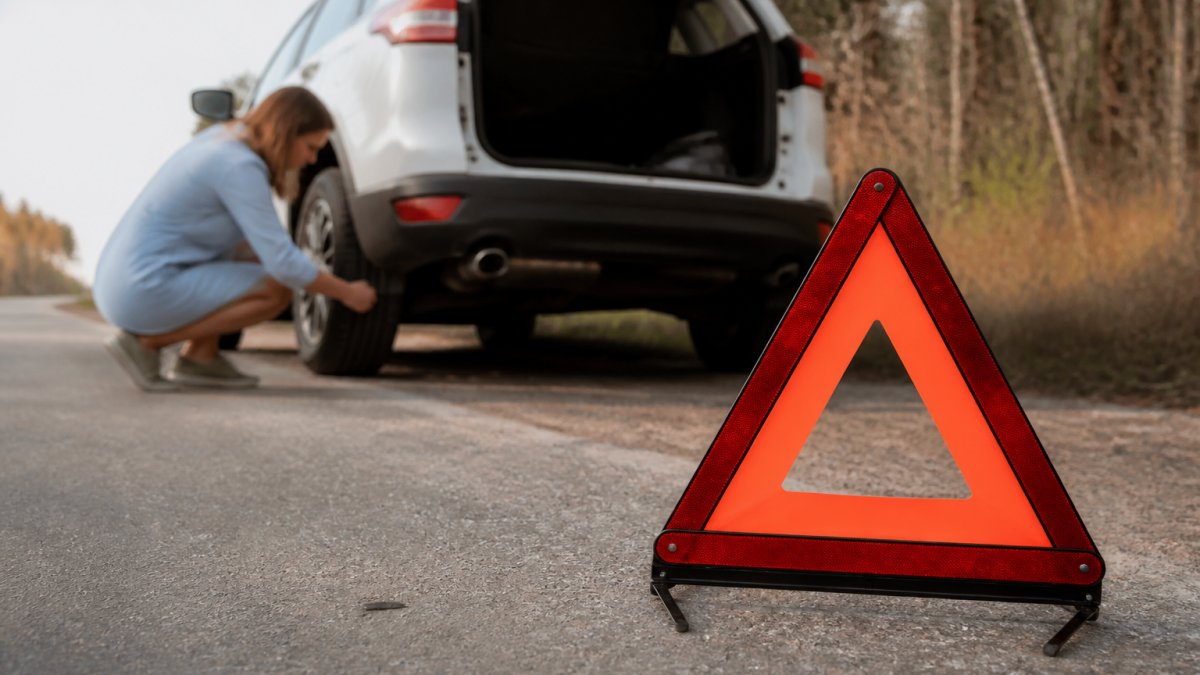
Your actions at the roadside matter. Stay safe first, then protect the vehicle.
Move to safety. Pull as far onto the shoulder as possible and turn on your hazard lights.
Stay out of traffic. Wait behind a guardrail if one is available.
Check for damage. Look for fluid leaks, burning smells, or visible harm to the battery area.
Do not touch damaged high-voltage components. Stay clear if the car shows smoke, sparks, or a strong odor.
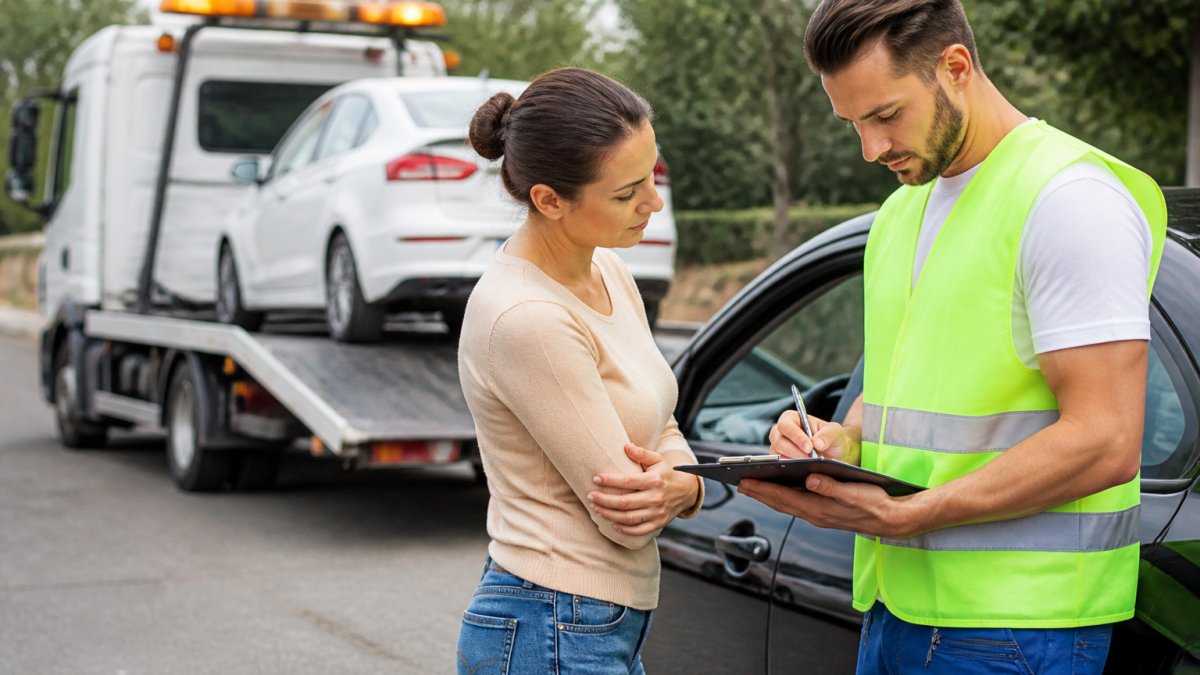
Call for help. Give the tow company your location and tell them the vehicle is an electric car.
Share the vehicle details. Provide the make, model, and year so the driver brings the right equipment.
Watch out: If the EV has been in a crash or flooded, stay away from the vehicle and call emergency services before anything else.
Booking Your Electric Vehicle Tow With SJ's Towing
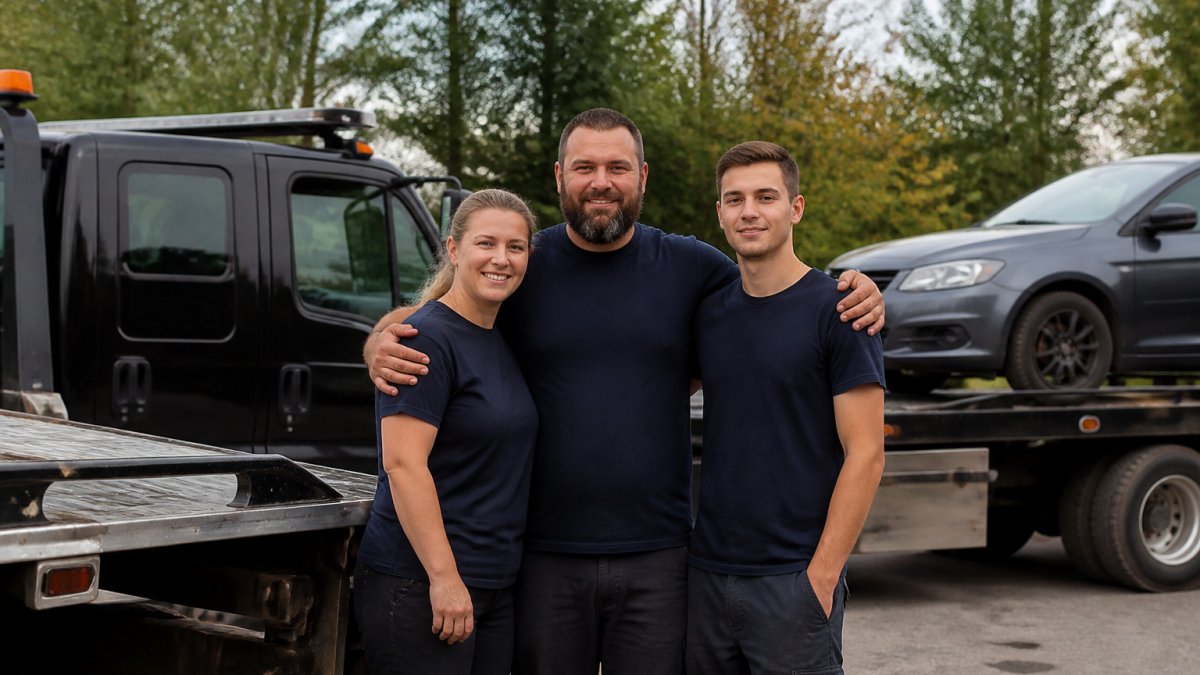
When you need an EV tow in Hamilton, Burlington, Grimsby, Brantford, or Oakville, we recommend calling a towing company that understands electric vehicles. SJ's Towing is a family-run business offering fast, professional, and affordable towing and roadside assistance. Our team is available 24/7.
Before you call, have these details ready:
Your exact location
The make, model, and year of the EV
Whether the car is in neutral or locked
Any visible damage or warning lights
One customer shared that the driver was "very professional, patient and did all he could to make me feel good after my car broke down." Another said the team "got a truck out fast" when their van broke down in the middle of nowhere.
For current pricing and a quote, visit our site or call us today. GET A QUOTE
Frequently Asked Questions
Can I tow a Tesla?
Yes, but the method depends on the model and how it is towed. Towing methods depend on the manufacturer, so the drive wheels should not roll on the road unless the owner's manual allows it. Check the owner's manual for your specific model, and when in doubt, use a flatbed. A professional operator can confirm the right method before loading. Call SJ's Towing for current pricing and a quote tailored to your vehicle.
Can an electric vehicle be towed in neutral?
Some electric vehicles can be placed in neutral for towing, but many cannot, and the process varies by model. Some require a specific towing mode or a sequence of steps to disengage the drive system. If your EV cannot enter neutral, or you are unsure, do not roll it with its drive wheels on the ground. A flatbed or a wheel-lift tow with the drive wheels lifted is the safer option. Consult the owner's manual before attempting any towing procedure.
What should I tell the tow operator before an EV recovery?
Give the operator the make, model, and year of the vehicle, whether it is all-wheel, front-wheel, or rear-wheel drive, and whether the car is locked, has any warning lights on, or has no power. Mention any collision damage, water exposure, or signs of a high-voltage battery problem. Tell them if the parking brake is stuck or if the car cannot enter neutral. This information helps the operator choose the correct equipment and avoid damage during the tow.
Can towing an electric vehicle recharge its battery?
No. Towing does not reliably recharge an electric vehicle's high-voltage battery, and in many cases the wheels turning without the vehicle powered can cause damage rather than charging. The 12-volt battery that runs lights and electronics is separate from the high-voltage traction battery. If your EV has a low 12-volt battery, a jump start or a service call is the appropriate fix. Do not rely on towing to restore charge.
Comments