Towing Insurance and Vehicle Protection Explained

Last Updated: October 30, 2026
Quick Summary
Towing insurance is optional auto coverage, or a standalone membership, that pays for a disabled vehicle to be moved to a repair facility and for services like jump-starts and lockouts. Standard auto insurance in Canada generally does not include towing as part of mandatory coverage, so it is almost always an optional add-on or separate purchase.
Towing coverage pays to move a vehicle after a breakdown or covered loss, while roadside assistance handles smaller emergencies.
Towing is typically part of a claim only after a covered loss, such as a collision or comprehensive claim.
Towing and labor cost coverage reimburses towing and roadside labor up to a stated dollar limit per disablement.
A per-incident cap and a distance cap are two separate limits, so check both before relying on the benefit.
Photograph the vehicle from four angles before loading and note existing damage in writing on the work order.
Table of Contents
How Towing Coverage and Roadside Assistance Protect You
Towing insurance is optional auto coverage, or a standalone membership, that pays for a disabled vehicle to be moved to a repair facility and for services like jump-starts and lockouts. Towing insurance exists because a breakdown is rarely just an inconvenience.
The practical distinction matters because they are sold together but triggered differently. A tow benefit usually applies when the vehicle cannot be driven. A roadside benefit applies when it can be, once a small problem is fixed on the spot.
Does Car Insurance Cover Towing? What Standard Policies Include
Standard auto insurance in Canada generally does not include towing as part of mandatory coverage.
That surprises people. The assumption is that a full-coverage policy covers everything, including the hook. It doesn't.
Where towing does appear automatically is after a covered loss.
The Financial Services Regulatory Authority of Ontario auto insurance guide explains how optional benefits are added to a policy, which is the right frame for understanding where towing fits.
If your vehicle is undamaged and simply won't start, no standard policy will send a truck. That is the gap roadside assistance and towing add-ons exist to fill.
Towing and Labor Cost Coverage: What It Pays For and Its Limits
Towing and labor cost coverage is an optional endorsement that reimburses towing and roadside labor up to a stated dollar limit per disablement. The "labor" half is the part drivers overlook.
Here is what a typical endorsement addresses:
Towing to the nearest qualified repair facility
Jump-starts and battery service
Lockout service when keys are inside the vehicle
Flat tire change using the vehicle's spare
Fuel delivery when the tank runs dry
Winching when a vehicle has left the road surface
Then come the limits, and this is where claims go sideways. Most endorsements cap the amount per incident and cap the towing distance, often measured to the nearest repair facility rather than the shop of your choice.
Watch Out A per-incident cap and a distance cap are two separate limits. You can stay under the dollar cap and still owe money because the tow exceeded the distance allowance, or stay within the distance and still exceed the dollar cap once hookup, mileage, and after-hours surcharges are added. Check both before you rely on the benefit.
Some policies reimburse you after the fact rather than dispatching a truck. That means you find a provider, pay them, keep the receipt, and file a claim. It works, but it puts the coordination on you in a stressful moment. Other endorsements dispatch through a contracted network, which is more convenient but may limit which provider responds and where the vehicle can be taken. Neither model is automatically better; they trade control for convenience.
A few practical mechanisms decide whether you end up out of pocket:
Service-call limits. Some endorsements cap the number of calls per policy term, not just the dollar amount per call. A second breakdown in the same year may not be covered.
After-hours and holiday surcharges. Many providers charge more outside business hours. Confirm whether the endorsement pays the surcharge or only the base rate.
Storage and handling. If the vehicle cannot go straight to a repair facility, storage fees may fall outside the towing benefit.
Reimbursement paperwork. Insurers typically require an itemized receipt showing the date, location, service performed, and amount paid. A handwritten slip may not clear.
For current pricing on towing and roadside calls, visit the SJ's Towing website or request a quote.
Roadside Assistance vs. Car Insurance: Key Differences
Roadside assistance and car insurance solve different problems, and treating them as interchangeable is the root of most coverage confusion. Insurance transfers financial risk from a loss.
Feature | Roadside Assistance | Car Insurance Towing Endorsement |
Primary purpose | On-site service and recovery | Reimbursement or dispatch after a covered event |
Typical trigger | Breakdown, lockout, flat tire, dead battery | Disablement or covered loss |
Dispatch included | Usually yes | Sometimes, often reimbursement only |
Distance limits | Common | Common |
Works alongside collision coverage | Yes | Yes |
A standalone roadside membership generally includes dispatch: you call, and a provider is sent. An insurance endorsement may reimburse instead.
For drivers weighing membership clubs against other options, our breakdown of roadside assistance alternatives covers what each model actually delivers.
What to Do If a Car Is Damaged During Towing
Damage during a tow is rare but real, and the response in the first hour decides how cleanly it gets resolved. Document everything before the truck leaves.

Work through this in order:
Photograph the vehicle from four angles before loading, with timestamps.
Note existing damage in writing on the work order and get it signed.
Confirm the operator's insurance and licensing before the vehicle moves.
Inspect the vehicle at the destination before signing release.
Report any new damage in writing the same day, with photos.
The prevention side matters more. Our guide on how to prevent vehicle damage during towing covers prevention and handling in more depth.
Signing a release without a walk-around inspection makes a damage claim much harder to pursue.
Personal Towing Coverage vs. Commercial Towing Operations Insurance
These are two entirely different products that share a word, and conflating them causes real confusion. Personal towing coverage protects a driver's own vehicle. Commercial towing operations insurance protects a towing business and the vehicles it moves.
A small business running service vans needs commercial auto coverage on those vans, not a personal roadside membership. If a work vehicle breaks down mid-route, the recovery is a business expense and a business risk.
Small businesses running one or two vans need a provider who understands that a breakdown during the workday is an operational emergency, not a leisurely afternoon problem.
How to Request a Tow and What to Have Ready
A clean tow request takes under two minutes when you have the right details on hand. Operators dispatch faster when they know exactly what they are coming for. But the request is only half the job, the other half is making sure the cost gets covered and the paperwork survives contact with your insurer.
Have these ready before you call:
Your exact location, including direction of travel and nearest exit or cross street
Vehicle make, model, and whether it is all-wheel-drive
What happened, in one sentence
Whether the vehicle is in a live traffic lane
Your destination: home, a specific repair shop, or a storage facility
Then confirm three things on the call: the quoted rate, the expected arrival window, and whether any surcharges apply. Get the total before the truck rolls. A provider who will not confirm pricing upfront is a provider to skip, and our step-by-step guide on avoiding hidden towing fees shows exactly which charges to ask about.
Pro Tip Before you call a truck, check your coverage. If you carry a towing endorsement, call the insurer's claims line or the dispatch number on your policy first, they may send a contracted provider and bill the claim directly. If you have a standalone roadside membership, call its dispatch line. Only call an independent provider first if you intend to pay and seek reimbursement.
The service-request workflow that keeps a claim clean:
Confirm coverage before dispatch. Know whether you are using an insurer network, a membership, or paying out of pocket. This determines who you call and what you keep.
Document the scene. Photograph the vehicle, the location, and any visible damage before the truck arrives. Note the time.
Get an itemized receipt. The receipt should show the date, the service address, the service performed, the mileage or distance, any surcharges, and the total paid. A generic slip is the most common reason a reimbursement stalls.
Keep the work order. If the operator notes existing damage or the tow method used, that record matters if a damage dispute arises later.
Submit promptly. Reimbursement windows are limited, and late claims are easier to deny. Send the receipt and a short description of what happened through the channel your insurer specifies.
If you are in a live lane, get behind the barrier and stay there. The vehicle is replaceable. You are not.
Key Takeaway The request and the claim are one continuous process. The driver who confirms coverage first, documents the scene, and keeps an itemized receipt spends far less time arguing later than the driver who calls the first truck they see and hopes the paperwork works out.
Get a Towing Quote Before You Need One
The worst time to learn your coverage limits is on the shoulder at 2 a.m.
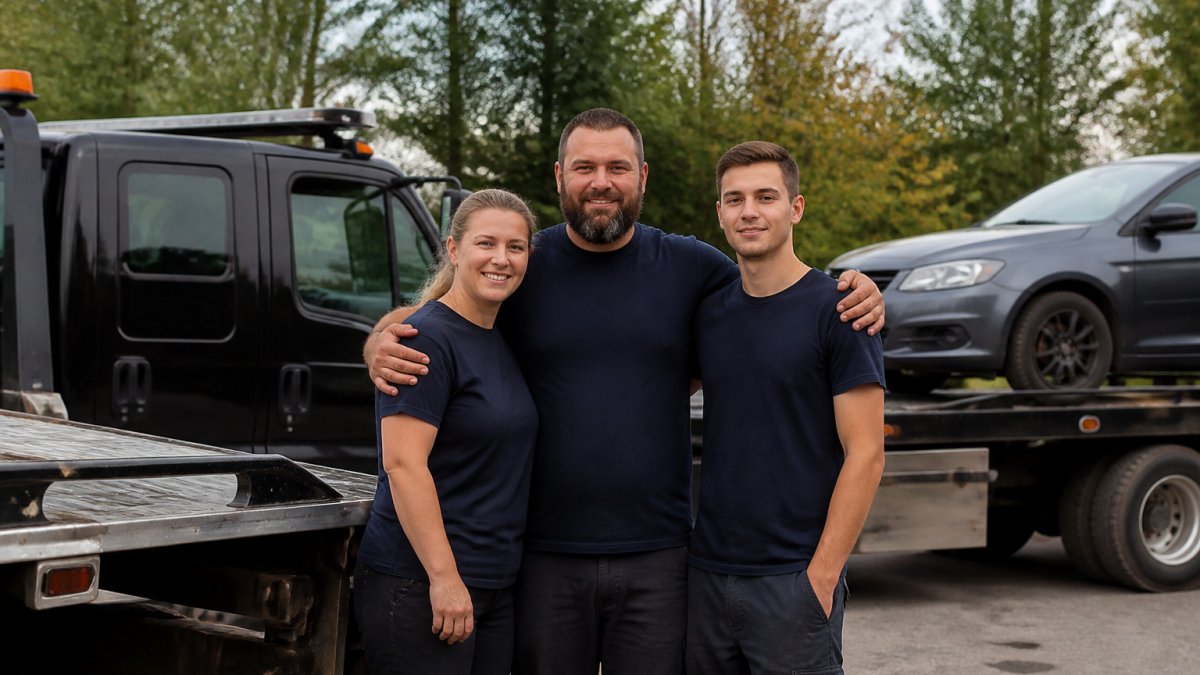
SJ's Towing is a family-run operation available 24/7, with fast and on-time service. One customer put it plainly: "Our van broke down in the middle of nowhere.
Get started with SJ's Towing and know who to call before you need a hook. Get a quote and keep the number saved.
Frequently Asked Questions
Does my car insurance cover me for towing?
Standard auto insurance in Canada does not automatically include towing. Basic liability coverage pays for damage you cause to others, not for getting your own vehicle off the road. Towing is usually added as optional coverage, either as an endorsement on your policy or through a separate roadside assistance plan. Check your policy wording or call your insurer to confirm whether towing is included and what distance limit applies.
What is the difference between towing coverage and roadside assistance?
Towing coverage is an insurance endorsement that reimburses or pays for towing up to a set dollar or distance limit, and it may also cover related labor. Roadside assistance is a service plan, often sold separately, that dispatches help for jump-starts, lockouts, flat tire changes, fuel delivery and winching as well as towing. The main practical difference: insurance reimburses after the fact or pays a capped amount, while a service plan sends a provider directly.
What does towing and labor cost coverage include?
Towing and labor cost coverage typically pays for the tow itself plus the labor to get your vehicle running at the roadside, such as a jump-start or a tire change, up to a stated limit per disablement. It usually does not cover parts, fuel, or repairs done at a shop. Limits and whether the coverage applies per incident or per year vary by insurer, so read the endorsement before assuming a breakdown is fully covered.
Does insurance cover damage to a vehicle while it is being towed?
It depends on who is at fault and what coverage is in play. If the tow operator damages your vehicle through negligence, the towing company's commercial liability insurance is generally the first place to claim. Your own collision or comprehensive coverage may also respond, subject to your deductible. Document the vehicle's condition with photos before the hook-up and note any pre-existing damage on the paperwork to support a claim later.
What should I do if my vehicle is damaged during a tow?
Photograph the damage from several angles before the truck leaves, get the driver's name, the company name and the invoice or work order number, and report the damage to the towing company in writing as soon as possible. Then contact your insurer to open a claim and ask whether your policy or the towing company's liability coverage applies. Keep all receipts and correspondence. Acting within a day or two makes it much easier to establish what happened.
Should I get towing insurance if I already have a roadside assistance membership?
Compare the two before paying for both. A roadside plan usually covers the service call and dispatch, while towing coverage on your auto policy may reimburse costs up to a limit. If your membership already includes towing to a nearby repair facility, extra insurance may duplicate the benefit. Check the distance limit, the per-incident cap and whether out-of-pocket costs are reimbursed or billed directly.
Comments