How Do You Find Affordable Accident Recovery Services?

Last Updated: October 25, 2026
Quick Summary
Affordable accident recovery services in Ontario are found by requesting written quotes that itemize base fees, distance charges, equipment, labor, and storage separately, then comparing totals across licensed providers rather than accepting the first verbal estimate. Verify the operator's licensing and insurance, confirm your destination before the vehicle moves, and ask whether they accept insurance assignment to avoid unexpected out-of-pocket costs.
Request written quotes broken into five line items: hook-up fee, distance charge, equipment fee, recovery labor, and storage rate.
Ask whether the provider accepts insurance assignment or requires upfront payment and later reimbursement.
Photograph your vehicle before loading and confirm the destination in writing to prevent disputes and unauthorized charges.
Choose flatbed towing for most vehicles to eliminate transmission damage risk from wheels rotating without engine power.
Compare total costs across providers using the same quote structure, since a low hook-up fee with uncapped per-kilometre rates can cost more than a higher upfront quote.
Table of Contents
What Happens After a Vehicle Collision
Understanding Accident Towing Cost
The five line items that make up almost every recovery quote
A sample quote structure (illustrative, not a rate card)
What legitimately moves the price
The quote checklist to run before you say yes
Why the cheapest quote is not always the lowest cost
Insurance Coverage for Accident Towing
Preventing Transmission Damage While Towing a Car
Questions to Ask a Towing Company
How to Verify a Recovery Provider and Avoid Hidden Charges
Before the truck arrives
At the scene: consent and documentation
Storage, release, and the charges that appear later
Reading reviews without being misled
The documentation to keep
Getting Your Accident Recovery Quote Today
Frequently Asked Questions
What Happens After a Vehicle Collision
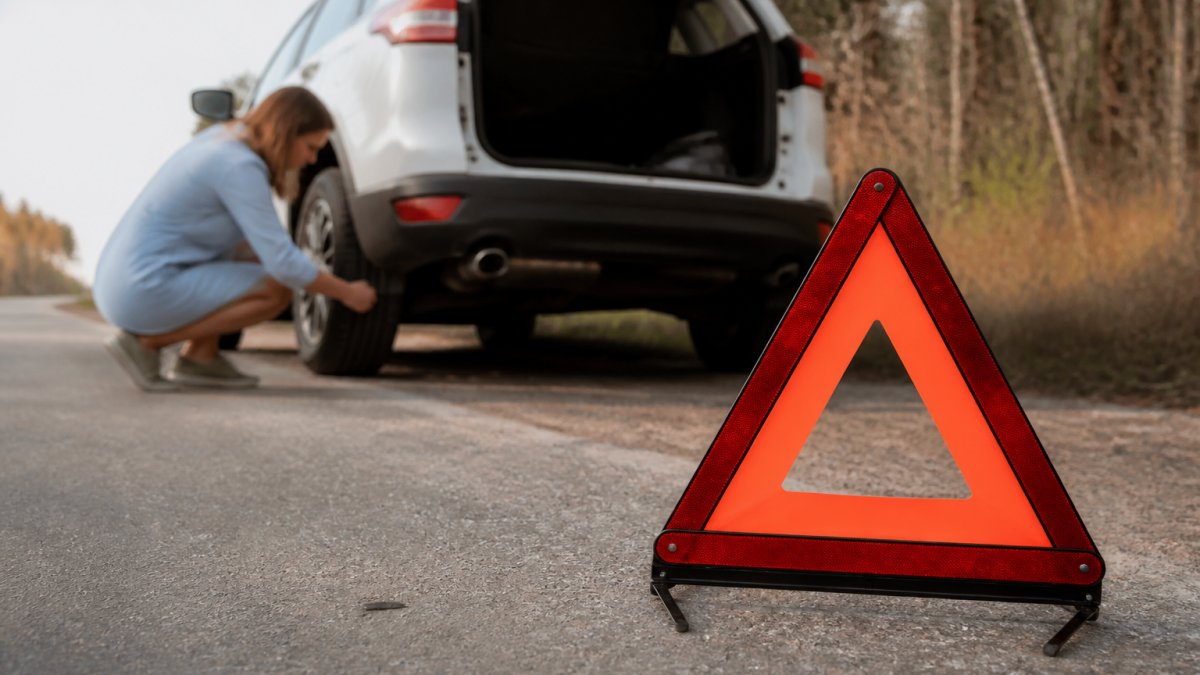
After a collision, safety comes first. Once you've confirmed no one needs emergency care, document the scene, contact emergency services if needed, and arrange vehicle recovery.

Many drivers call the first company that answers, accept any quote, and overpay. Recovery doesn't have to be expensive, but it requires knowing what to expect.
At SJ's Towing, we've helped drivers with affordable accident recovery services in Ontario, serving Hamilton, Burlington, Grimsby, Brantford, and Oakville.
Your vehicle may be unsafe to drive even if it appears to run; structural damage, fluid leaks, or electrical issues can make operation dangerous.
Next, notify your insurer, since most policies require reporting within a set timeframe. Your insurer may have preferred providers or cover recovery regardless of who you choose.
Understanding Accident Towing Cost
Most drivers learn how towing is priced only after the bill arrives. Breaking a quote into its parts lets you compare providers and spot padding before you authorize a hook-up. Review the full cost breakdown for towing services in your region to understand what each charge should be.
The five line items that make up almost every recovery quote
A transparent quote separates charges rather than bundling them into one number. Ask for each of these in writing:
Base or hook-up fee. A flat charge to dispatch a truck and secure the vehicle. It should not change based on how the conversation goes at the roadside.
Distance charge. Billed per kilometre beyond an included radius, or as a flat zone rate. Confirm whether distance is measured from the dispatch yard, the scene, or the destination.
Equipment fee. Flatbed, wheel-lift, dollies, or winching. Winching is usually billed separately because it takes more time and rigging.
Recovery labor. Uprighting a rolled vehicle, extracting one from a ditch, or clearing debris takes crew time, often quoted hourly or per recovery type.
Storage. A daily rate starting when the vehicle lands at the yard, not at pickup. This charge most often surprises drivers.
A sample quote structure (illustrative, not a rate card)
A written quote for a mid-size sedan, 12 km from scene to a repair shop, daytime weekday, might read:
Line item | What to confirm |
Hook-up | Flat, quoted before dispatch |
Distance | Rate per km and the included radius |
Flatbed | Whether included in hook-up or added |
After-hours premium | Whether it applies to your call time |
Storage | Daily rate and when it begins |
Total before tax | One number you can compare |
Use the same table for every provider. When line items line up, totals are comparable; a single-figure quote is a guess, not a breakdown.
What legitimately moves the price
Distance and route. A short urban tow and a highway recovery of equal length price differently due to access, traffic control, and time on scene.
Vehicle weight and configuration. A compact car, full-size pickup, and battery-heavy EV don't rig the same way.
Condition. A drivable vehicle rolling onto a flatbed is a different job from one winched out of a snowbank.
Time and day. Overnight, weekend, and holiday dispatch usually carries a premium.
Access. A low-clearance garage, narrow laneway, or traffic control adds time and equipment.
The quote checklist to run before you say yes
Is the total written down, or only spoken?
Is distance itemized, and from where to where?
Is winching included or quoted separately, and at what trigger?
What is the storage rate, and when does the clock start?
Are taxes and any after-hours premium shown?
What is the cancellation or dry-run fee if you no longer need the tow?
Will the driver confirm the destination before leaving the scene?
Pro Tip Ask for the quote by text or email. A written quote you can re-read is the single best defense against a roadside number that grows at the yard.
Why the cheapest quote is not always the lowest cost
A low hook-up fee with an uncapped per-kilometre rate and daily storage can cost more than a higher up-front quote with an included radius and capped storage. Compare totals for your actual distance and storage days, not the headline number. If a provider won't put the total in writing, treat that as a pricing risk.
You can review transparent pricing information from established local providers to see how a full breakdown should look before you call.
Insurance Coverage for Accident Towing
Your policy likely covers accident towing, but specifics depend on your coverage type and your insurer's provider agreements. Knowing this beforehand prevents unexpected out-of-pocket costs.
Most comprehensive and collision policies include towing coverage as a standard benefit, typically covering transport to a repair facility, though limits may apply on distance or annual tow count.
Roadside assistance through your insurer or a membership program may add towing benefits, sometimes with higher distance limits or more tows per year.
Not all providers accept insurance assignments; some require upfront payment and later reimbursement. Before calling, ask whether they accept direct billing from your insurer.
Your insurer may recommend providers, which can simplify claims, but you're not obligated to use them; you can choose any licensed and insured service.
Preventing Transmission Damage While Towing a Car
Transmission damage during towing is a real concern, especially for automatic or front-wheel-drive vehicles. Understanding how it occurs helps you communicate safe handling to your operator.
The main risk occurs when a disabled vehicle is towed with its drive wheels on the ground.
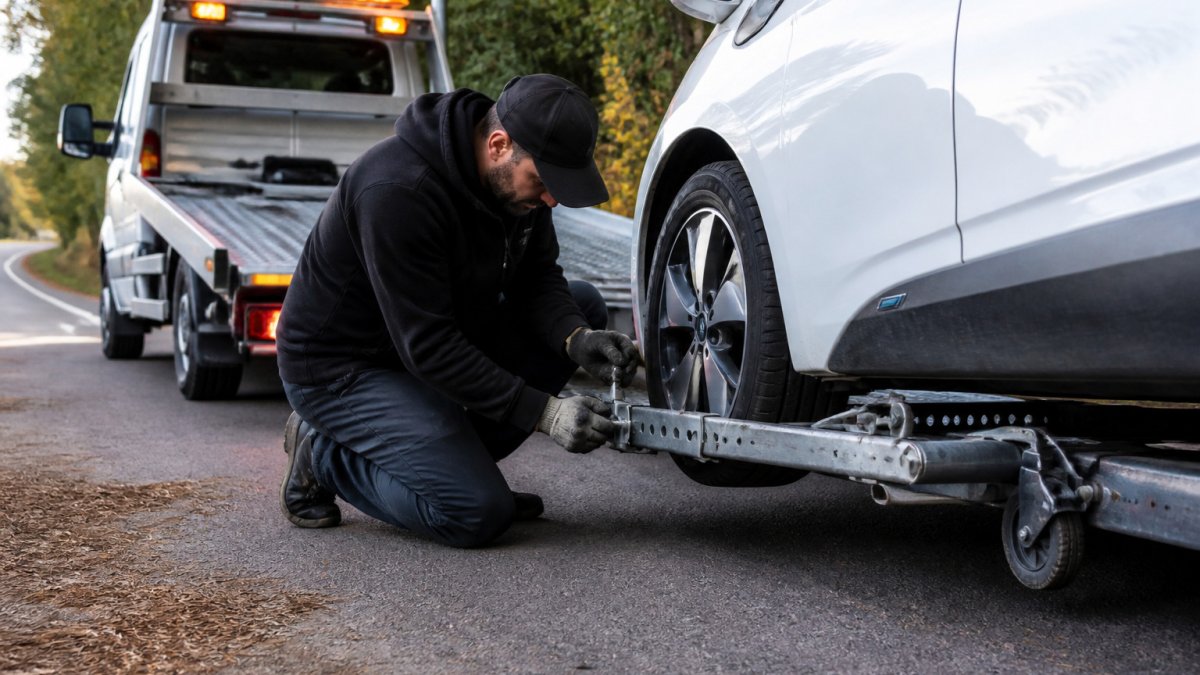
The safest method for most vehicles is flatbed transport, where all wheels are lifted off the ground, eliminating transmission risk entirely.
Before towing, tell the operator your transmission type and drive configuration.
You can learn more about preventing vehicle damage during towing through detailed guidance on proper handling techniques and equipment selection. This helps you verify that your chosen recovery provider uses methods that protect your vehicle.
Questions to Ask a Towing Company
Before committing to a recovery service, ask questions that reveal whether the operator is professional, transparent, and equipped to handle your situation safely.
Ask about response time first.
Ask what equipment they'll use for your vehicle, flatbed, wheel lift, or dolly, and why.
Ask whether they accept insurance assignment or require upfront payment. This determines whether you'll need to pay out of pocket and claim reimbursement later.
Ask about their licensing and insurance. This protects you if something goes wrong during transport.
Ask whether they provide a written quote before work begins. Verbal estimates create disputes later when the final bill differs from what you were told.
How to Verify a Recovery Provider and Avoid Hidden Charges
Hidden charges and unclear authorization are the two most common complaints drivers raise about towing. The checklist below turns verification into a sequence of concrete steps you can complete before, during, and after the tow.
Before the truck arrives
Confirm the business identity. Get the legal business name, not just the truck's decal, and a phone number you called yourself rather than one handed to you at the scene by a third party.
Ask for licensing and insurance details. In Ontario, towing and storage operators are subject to provincial rules, and municipalities may add their own licensing (Get a towing or vehicle storage certificate). Ask which credentials apply to the operator serving you, and note them.
Request the written quote. Base, distance, equipment, after-hours, and storage, with a total before tax. A provider who will not itemize is telling you something.
Confirm the destination. Name the repair shop or storage yard before the vehicle moves. "We'll take it to our yard" is not a destination confirmation.
Ask who authorizes the tow. Make clear that no work begins, and no additional charges are added, without your consent.
At the scene: consent and documentation
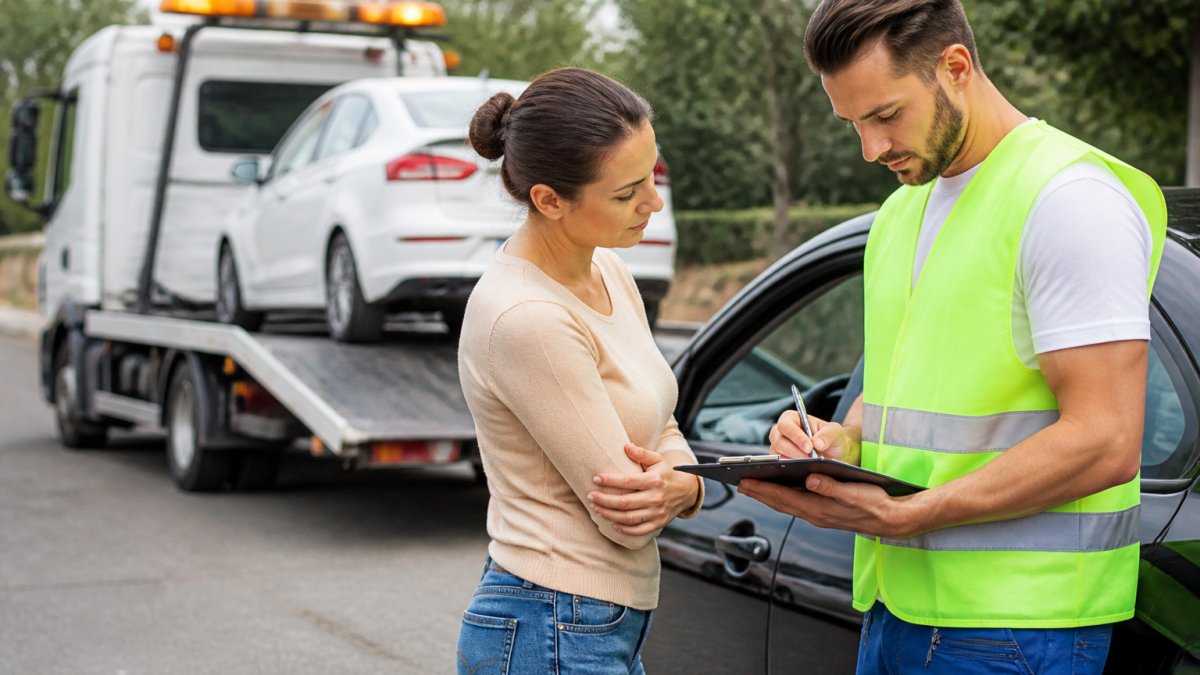
Read the authorization or work order before signing. If it is blank or vague, ask for it to be completed first.
Confirm the quoted total and that it matches what you were told by phone.
Photograph the vehicle before it is loaded, including existing damage, plates, and odometer if visible.
Note the truck's plate and the operator's name.
Confirm the destination in writing, by text if possible.
Ask for a receipt that itemizes the same line items as the quote.
Watch Out Never sign a document that authorizes work "as required" or leaves the price open. Consent to a defined scope and a defined total is what protects you if the final bill is disputed.
Storage, release, and the charges that appear later
Storage is where costs accumulate quietly. Before the vehicle is stored, confirm:
The daily rate and whether it is charged per calendar day or per 24-hour period.
When the storage clock starts and what stops it (payment, release authorization, or pickup).
What documentation the yard requires to release the vehicle, and whether a release fee applies.
Whether you can retrieve personal belongings separately from the vehicle.
Ask for the storage terms in writing at drop-off. A yard that cannot state its release requirements up front is a yard where release delays and added days are likely.
Reading reviews without being misled
Look for reviews that describe a specific sequence: the quote given, the charge billed, and how a dispute was handled. General five-star praise and one-line complaints are weak signals. A pattern of comments about fees appearing after the tow, or about destinations changing, is a stronger warning than any single review.
The documentation to keep
The written quote and the final itemized receipt.
Photos of the vehicle before and after loading.
The destination confirmation and the operator's details.
Any storage agreement and release paperwork.
This file is what you need if you later claim reimbursement or dispute a charge, and it is the difference between a recoverable cost and an unrecoverable one.
You can review a maximum rate schedule to see what transparent pricing looks like and use it as the benchmark when you evaluate other providers.
Getting Your Accident Recovery Quote Today
When you're ready to arrange recovery after a collision, choose affordable accident recovery services in Ontario from a provider that demonstrates transparency, professionalism, and genuine concern for your vehicle's safety.
SJ's Towing offers affordable accident recovery services across Hamilton, Burlington, Grimsby, Brantford, Oakville, and surrounding areas. Our team is available 24/7 because accidents don't follow business hours.
When you call, be ready to describe your vehicle's location, the type of damage, and whether it's currently drivable.
Get a quote from SJ's Towing and experience the difference professional, affordable accident recovery makes. We'll explain every charge upfront, answer your questions, and get your vehicle to safety quickly.
Accidents are stressful, but recovery doesn't have to be.
Frequently Asked Questions
How much does accident recovery towing cost in Ontario?
Accident towing costs depend on distance, vehicle weight, damage severity, and the time of day. Pricing varies by provider. For an accurate quote tailored to your situation, contact a local recovery service directly. They can assess your specific needs and provide transparent pricing before work begins.
Does car insurance cover towing after an accident?
Many insurance policies include accident benefits that cover towing costs, but coverage varies. Check your policy documents or contact your insurer immediately after a collision. Some policies cover the full cost; others may have limits. Your insurer can also recommend approved recovery providers in your area.
What should I ask a towing company before they arrive?
Ask about their estimated arrival time, total cost including any distance or equipment fees, how they'll secure your vehicle, and if they accept your insurance. Confirm whether extra charges apply for night calls, heavy vehicles, or winching. Get these details in writing when possible.
How do I prevent transmission damage while my car is being towed?
Ensure the towing company uses proper equipment: flatbed towing is safest for damaged vehicles or all-wheel-drive cars. If wheel-lift towing is necessary, the drive wheels must be lifted off the ground. Confirm the provider knows your vehicle type and will use the correct method.
GET A QUOTE
Add sjstowing.com as a preferred source on Google →
Comments